Pool Electrical Bonding and GFCI Compliance: Preventing Electric Shock Drowning

Florida property evaluations require strict compliance with National Electrical Code (NEC) Article 680 Swimming Pools, Fountains & Equipotential Bonding. When evaluating pool bonding electrical safety inspection, field specialists routinely uncover critical deficiencies in equipotential bonding grid (#8 solid bare copper wire) and class a ground-fault circuit-interrupters (gfci) (4-6 ma trip threshold) that directly threaten building safety and insurer underwriting acceptance.
1. Regulatory Framework and Florida Statutory Standards
Residential property evaluations in the state of Florida are governed by rigorous performance benchmarks established under National Electrical Code (NEC) Article 680 Swimming Pools, Fountains & Equipotential Bonding. Unlike traditional residential housing markets in cooler northern regions, Florida properties face extreme atmospheric exposure: tropical storm wind loads, high-velocity rainfall, unrelenting solar UV radiation, and high humidity levels.
Whether navigating Citizens Property Insurance underwriting eligibility or conducting purchase due diligence during the Florida standard 10-day inspection contingency window, failing to verify structural and mechanical compliance exposes property buyers to severe financial liability, unexpected repair expenses, and immediate denial of property insurance coverage.
Under Florida insurance underwriting mandates, failure to document compliant installation dates, verified life expectancy, or functional safety devices will trigger immediate underwriting rejection or policy cancellation notices within 30 days of closing.
2. Core Components and Prevalent Florida Failure Modes
During physical evaluation protocols across Hillsborough, Pinellas, Manatee & Sarasota, field evaluators systematically examine critical assemblies to identify both active operational failures and impending structural degradation. In Florida's subtropical climate, materials break down significantly faster than national manufacturer averages.
| Evaluation System | Common Failure Mode in Florida | Underwriting Compliance Standard |
|---|---|---|
| Equipotential bonding grid (#8 solid bare copper wire) | Broken bonding wire creating dangerous voltage differential between pool water and concrete deck | Standard Pass / Verified Spec |
| Class A Ground-Fault Circuit-Interrupters (GFCI) (4-6 mA trip threshold) | Underwater light fixture grounding wire severed inside wet-niche conduit | Standard Pass / Verified Spec |
| Metal pool ladders, handrails, and diving board anchors | Pool pump powered by standard breaker without mandatory GFCI safety protection | Standard Pass / Verified Spec |
| Pool light transformers, underwater niches, and pump equipment | Unbonded metal handrail sockets shocking swimmers exiting the pool water | Standard Pass / Verified Spec |
When any of these components exhibit active failure, property owners face immediate remediation mandates. Insurance carriers regularly condition policy binding on fully permitted repair completion verified by a secondary re-inspection report.
3. Comprehensive Field Diagnostic Evaluation Protocol
Our dedicated regional coordination team dispatches specialized independent field evaluators equipped with calibrated diagnostic instrumentation to verify system performance. Visual observation alone is insufficient to uncover hidden moisture intrusion, electrical resistance overheating, or sub-surface plumbing degradation.
- ✔ Test pool pump and light GFCI devices using calibrated external circuit tester
- ✔ Inspect pool equipment pad for continuous #8 AWG bare copper bonding wire loop
- ✔ Check metal ladder and handrail mounting sockets with voltage-detection meter
- ✔ Verify underwater pool light junction box sits at least 4 inches above ground and 8 inches above water
Evaluators utilize high-resolution thermal imaging cameras, non-destructive radio frequency moisture meters, digital circuit analyzers, and telescopic optical inspection equipment to provide an exhaustive digital photographic record of every accessible component.
Our intake coordination desk analyzes your property location and required scope, routing your evaluation order directly to the most qualified independent field evaluation professional in your specific municipality.
4. Actionable Steps for Florida Buyers, Owners, and Investors
Navigating Florida property transactions requires structured planning and strict adherence to contractual timelines. Real estate buyers must take immediate proactive steps upon contract execution:
- Order Inspections on Day One: Schedule your complete property evaluation and mandatory insurance forms (4-Point and Wind Mitigation) within the first 48 hours of your contract effective date to maximize repair negotiation leverage.
- Cross-Reference Municipal Permits: Verify that all previous roofing, HVAC change-outs, electrical panel upgrades, and structural additions have closed, approved permits on file with the local county building department.
- Deliver Reports to Insurance Underwriters: Provide completed OIR-B1-1802 and 4-Point reports directly to your insurance agent well in advance of closing to ensure policy binder issuance and loan approval.
Regional Inspection Coverage Across Hillsborough, Pinellas, Manatee & Sarasota
Our coordination desk dispatches top-rated independent evaluation specialists to all communities and postal codes across the county:
5. Frequently Asked Questions
What is the difference between electrical grounding and bonding in a swimming pool?
Grounding connects equipment to earth to trip breakers during electrical faults. Bonding connects all metal parts (pumps, water, ladder, deck rebar) together into a continuous loop so there is zero voltage difference between them.
What causes Electric Shock Drowning (ESD) in swimming pools?
ESD occurs when stray electrical current leaks into the water from a faulty pool light or unbonded pump motor. Even low voltage paralyzes a swimmer's muscles, causing them to drown silently.
How often should pool GFCI safety breakers be tested?
Homeowners should test pool pump and light GFCI breakers monthly by pressing the 'TEST' button on the breaker or receptacle to verify instant mechanical power disconnection.
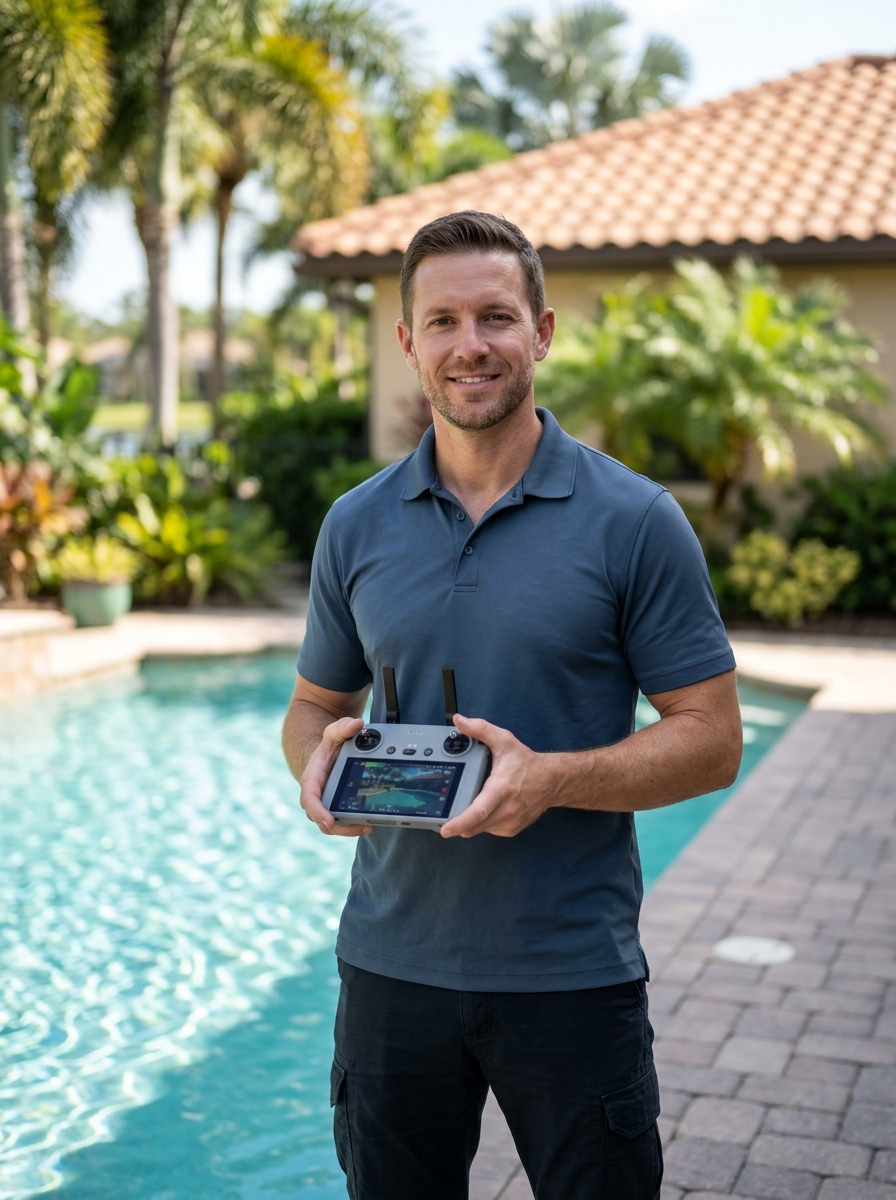
“Roof slopes and pool mechanicals require dedicated equipment. Our team dispatches commercial FAA-certified pilots and aquatic diagnostics experts directly to your site.”
Schedule Property Dispatch with Our Team →